
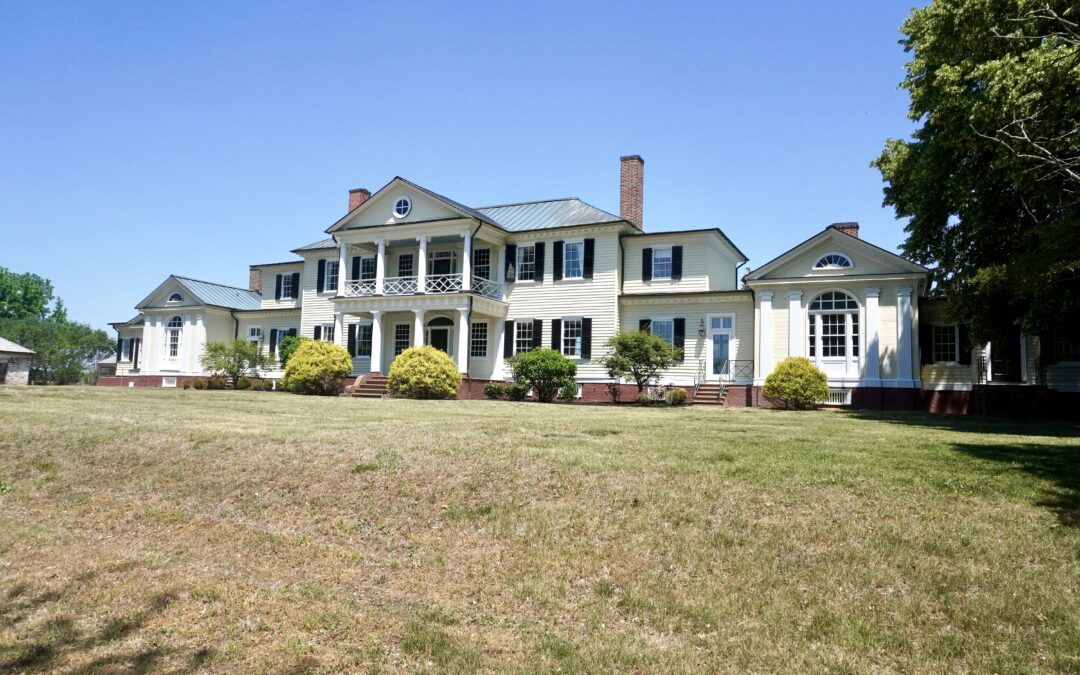
If you own a pre-war home in The Fan, Church Hill, or Windsor Farms, you have probably noticed that painting estimates for your house look nothing like estimates for newer construction in Short Pump or Midlothian. There is a reason for that. A historic home painter in Richmond, VA is not doing a bigger version of a standard paint job. The scope changes. Preparation timelines stretch. Compliance requirements apply that do not exist for homes built after 1978.
H. J. Holtz & Son, Inc. has painted Central Virginia’s most valued historic properties since 1936. This guide breaks down what actually changes when the home on the estimate predates 1978, sits in a designated historic district, or both, so you know what to expect before the work begins.
Why an Estimate for a 1920s Fan Rowhouse Reads Differently Than One for Short Pump
The difference comes down to preparation. A newer home may need light sanding and a single coat of primer before finish coats go on. A 1920s rowhouse with original plaster, decades of layered paint, and years of settling requires significantly more work before any finish coat is applied.
Historic home painting in The Fan, Richmond, and similar older neighborhoods involves conditions that simply do not exist in modern construction. When you compare a Fan District estimate with one for a comparable home built in 2005, you will typically see more line items and more hours allocated to surface preparation. That is not padding. It reflects realities like these:
- Multiple layers of old paint, some of which may contain lead
- Plaster walls and ceilings that have cracked, shifted, or lost adhesion from the lath behind them
- Original wood trim with milled profiles that cannot be sourced off the shelf if damaged
- Windows, sashes, and mouldings that require careful hand-sanding rather than power tools
- Substrate damage from moisture intrusion that must be resolved before new paint will hold
A responsible contractor accounts for all of this upfront in the estimate, not as a mid-project surprise. The goal is transparency: you should understand what each line item addresses and why it matters for the longevity of the finished work.
Lead-Safe Painting on Pre-1978 Homes: What EPA RRP Requires
Any home built before 1978 may contain lead-based paint. Federal law requires contractors to follow specific safety procedures when disturbing painted surfaces in these homes. This is not optional, and it directly affects how your project is planned, staffed, and priced.
The EPA’s Renovation, Repair, and Painting (RRP) Rule sets containment, cleaning, and disposal requirements for renovation work in pre-1978 homes. In Richmond, where nearly every home in The Fan, Church Hill, Westhampton, and parts of the West End predates that cutoff, this applies to the majority of painting projects on older properties.
Here is what lead safe painting on a pre-1978 home looks like in practice:
- Containment barriers isolating the work area from the rest of the home and yard
- HEPA-filtered equipment for any sanding or scraping of painted surfaces
- Careful collection and disposal of paint chips and dust as regulated waste
- Post-work cleaning verification before the space is returned to you
- A certified renovator present on-site during the work
These steps add time and cost to the project. They also protect your family, your neighbors, and your property. Not every contractor follows them rigorously, so when evaluating any historic home painter in Richmond, VA, ask specifically how they handle lead-safe procedures and whether they are EPA RRP certified. H. J. Holtz & Son follows EPA lead-safe work practices on every pre-1978 property we work on.
Repair Comes First: Plaster, Substrate, and Original Woodwork
Paint does not fix structural problems. It hides them temporarily. In Richmond’s historic homes, plaster walls and ceilings often need stabilization, patching, or partial re-skimming before any finish coat will bond correctly and last.
Plaster repair before painting is one of the most commonly underestimated steps in Richmond historic home projects. Homes built before the 1950s typically have lath-and-plaster construction rather than modern drywall. Over decades, plaster develops hairline cracks, loses its key to the lath behind it, or retains ghost patterns from old water damage that was never properly addressed. Painting over these conditions without correction means the new paint will crack, peel, or bubble within a few years.
Original wood trim, crown moulding, and window casings present their own challenges. These elements were often milled on-site during construction, and their profiles may be impossible to match with modern stock materials. If a previous contractor damaged them or buried them under thick layers of paint, restoring them takes skilled hand-work. Our craftspeople approach original woodwork with the goal of preservation, not replacement. You can see this approach in practice in our restoration of St. John’s Mews on historic Church Hill.
As one Richmond homeowner, Betty Dobbie, described her experience with our team: “My home was built in 1947 so, while sturdy, it has suffered the usual effects of age. My Holtz team made repairs as they went along, and no detail was overlooked.”
This repair phase often accounts for close to half the total project time on a historic interior painting project. It is also the work that determines whether your new finish lasts five years or twenty.
When Your Color Choice Needs Someone Else’s Approval
If your home sits on the National Register of Historic Places or within a locally designated historic district, your exterior paint colors and sheens may require formal approval before work begins. This is a regulatory requirement, not a contractor preference, and failing to comply can result in fines or a mandate to repaint at your own expense.
Historic district paint color approval in Virginia varies by jurisdiction and designation level. In some districts, a local Architectural Review Board must approve color selections before exterior work can proceed. For properties with state or national historic designation, documentation requirements can be more extensive and time-consuming.
When H. J. Holtz & Son painted the exterior of Federal Hill in Fredericksburg, a late Georgian home built circa 1792 by Virginia Governor Robert Brooke, every color, specification, and sheen required state paperwork approval before any brush was lifted. The property holds both National Register and Virginia Historic Register status. That approval process became a defined phase of the project timeline, not an afterthought.
For homeowners in Richmond’s locally designated districts, including Church Hill, St. John’s Church Historic District, and portions of The Fan, similar review processes may apply to exterior changes. A Church Hill historic home painter who understands these requirements builds the approval timeline into the estimate so there are no delays once the crew is scheduled. If you are unsure whether your property falls within a regulated district, your contractor or your city’s planning office can help you determine your obligations before work is scoped.
How Long a Historic Repaint Really Takes, and Why
Expect a historic home painting project to take meaningfully longer than the same square footage in newer construction. Preparation time runs close to a 1:1 ratio with actual paint application on most historic exterior painting projects, and interiors in plaster-walled homes follow a similar pattern.
On a modern home, surface preparation might account for 20 to 30 percent of total project time. On a historic home, it often reaches 50 percent or more. That ratio reflects everything covered in this guide: lead-safe containment and cleanup, plaster and substrate repair, careful preparation of original woodwork, and potential regulatory timelines for color approval.
On the Federal Hill project in Fredericksburg, H. J. Holtz & Son used a Sherwin-Williams special bonding primer to address peeling issues and a two-part epoxy for railing repair. A lift was required for the front elevation. These are not steps a contractor can accelerate to shave a week off the schedule. They are the difference between a finish that holds for a decade and one that fails within a few seasons.
Scheduling matters, too. Spring, summer, and early fall are all productive seasons for exterior painting in Central Virginia. Late fall and winter, roughly November through March, present genuine constraints: cold temperatures interfere with paint adhesion and curing, freeze-thaw cycles stress fresh coatings, and shorter daylight limits productive hours. Planning your project for the warmer months gives your team the full working window these homes require.
Whether the project involves Windsor Farms historic home painting on a large estate or a full interior repaint in a Westhampton colonial, the timeline should reflect the actual scope of work, not an artificial deadline.
Frequently Asked Questions: Historic Home Painter in Richmond, VA
What is different about painting a historic home in Richmond, Virginia?
Historic homes require more extensive surface preparation than newer construction, including plaster stabilization, lead-safe work practices on pre-1978 properties, and careful hand-preparation of original woodwork. The materials, compliance requirements, and project timelines all differ from a standard residential repaint.
Do I need approval to change my historic home's exterior paint color?
If your home is on the National or Virginia Historic Register, or sits within a locally designated historic district, exterior color and finish changes may require approval from an Architectural Review Board or state agency. Your contractor should understand this process and factor it into the project schedule from the start.
How do I know if my Richmond home has lead paint?
Any home built before 1978 may contain lead-based paint. A certified lead inspector can test your surfaces. Under the EPA’s RRP Rule, contractors must follow specific containment and safety procedures whenever painted surfaces in a pre-1978 home are disturbed during renovation or repainting.
How long does it take to paint a historic home?
Timelines depend on the home’s size, condition, and project scope, but preparation typically accounts for roughly half the total project time. A full exterior on a large historic property may take several weeks, compared to a shorter window for newer construction of the same square footage.
Is summer a good time for exterior painting on a historic home?
Yes. Spring, summer, and early fall are all productive seasons for exterior painting in Central Virginia. The only constraints come in late fall and winter, when cold temperatures and freeze-thaw cycles can compromise paint adhesion and curing.
Choosing the wrong contractor for a historic home is not just an inconvenience. It can mean a finish that fails within a few years, damage to irreplaceable original trim and plaster, and a project that costs more in the long run because it has to be redone. When you need a historic home painter in Richmond, VA who understands the preparation, compliance, and craft that older homes demand, H. J. Holtz & Son has been that contractor since 1936. Call us at (804) 358-4109 or request your free, no-obligation estimate.